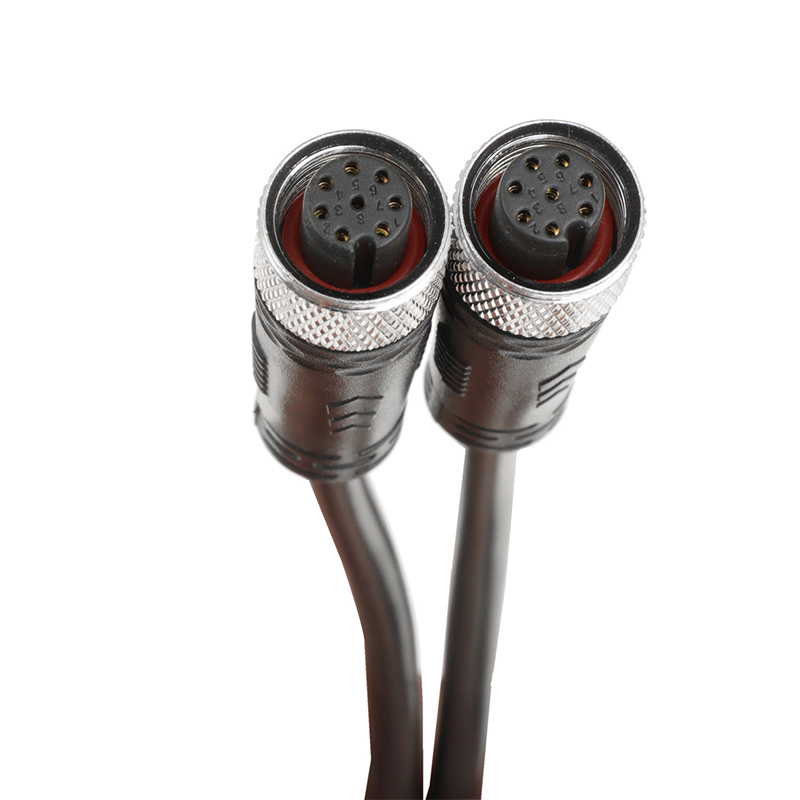
Modern electronics need smaller and more reliable connections.
A JST Connector provides stable electrical connections for devices, batteries, and control systems.
In this article, we will explore what a JST Connector is, how it works, its types, applications, and how to choose the right solution.
What Is a JST Connector?
Definition of a JST Connector
A JST Connector is a small electrical connector developed by Japan Solderless Terminal. It is designed to connect wires with electronic components through secure terminal contacts.
Unlike large industrial connectors, JST connectors focus on compact design and reliable electrical performance. They are commonly used where space is limited but stable connections are required.
A typical JST connector consists of:
Plastic housing
Metal terminals
Pins
Wire connections
Locking structures
The housing keeps terminals aligned, while metal contacts provide electrical transmission between connected components.
JST connectors are available in many series. Each series has different specifications, including pitch size, current capacity, connector shape, and application requirements.
For example, JST XH connectors are often used for PCB connections, while JST PH connectors are commonly found in compact electronic devices.
Tip: JST is a connector brand name rather than a single connector model. Different JST series are designed for different electrical requirements.
How Does a JST Connector Work?
A JST Connector works by creating a stable electrical path between wires and electronic components.
The basic working process includes:
Wire preparation
Terminal crimping
Terminal insertion into housing
Connector mating
Electrical signal or power transmission
The terminal is the key electrical contact part. It connects the wire conductor to another terminal inside the matching connector.
The plastic housing provides mechanical support. It keeps pins in the correct position and prevents incorrect connection.
Many JST connectors include locking structures. These locks reduce accidental separation caused by vibration or movement.
For electronic devices, reliable connection is important because unstable contacts may cause:
Signal interruption
Power loss
Device failure
Maintenance problems
A properly selected JST connector improves system stability and reduces connection risks.
Why Are JST Connectors Widely Used?
The popularity of JST connectors comes from their balance between size, reliability, and flexibility.
Many electronic products continue to become smaller. Traditional connectors may occupy too much space, while JST connectors provide compact alternatives.
Common advantages include:
Small size
Lightweight structure
Easy installation
Reliable contact performance
Multiple product series
They are suitable for applications requiring frequent assembly and maintenance.
For manufacturers, JST connectors also simplify wiring processes. Pre-assembled connector cables can reduce production time and improve consistency.
Tip: When selecting a JST connector, buyers should check connector series, pitch size, current rating, and application environment before ordering.
JST Connector vs Standard Electrical Connector
Although JST connectors are a type of electrical connector, they have specific design advantages compared with general connectors.
Factor
JST Connector
Standard Electrical Connector
Size
Compact design
Various sizes
Main use
Electronics and compact systems
General electrical connection
Pitch options
Multiple fine pitches
Different spacing options
Assembly
Easy wire connection
Depends on design
Application
Small devices and control systems
Wide industrial uses
JST connectors are often selected for applications where space efficiency matters.
Standard connectors may provide higher power capacity, while JST connectors focus more on compact electrical connections.
The correct choice depends on electrical requirements, installation space, and operating conditions.
What Are the Main Components of a JST Connector?
A JST connector system contains several important parts. Each component affects connection reliability and product performance.
Connector Housing
The housing is the external plastic structure of the connector.
Its main functions include:
Holding terminals in position
Protecting internal contacts
Guiding connector alignment
Preventing incorrect insertion
Most JST connector housings use engineering plastics with good insulation properties.
The housing design may include:
Locking tabs
Keying structures
Polarization features
These features help users connect the correct parts and reduce assembly mistakes.
Different applications require different housing designs. For example, automotive environments may need stronger mechanical protection, while consumer electronics may prioritize compact size.
JST Connector Pins and Terminals
Terminals are the core electrical connection components.
They transfer current and signals between wires and electronic devices.
Important terminal factors include:
Contact material
Terminal shape
Crimp quality
Current capacity
A reliable terminal connection requires accurate crimping.
Poor crimping may create:
Higher electrical resistance
Intermittent signals
Connection failure
Professional JST connector suppliers usually control terminal quality through inspection and testing procedures.
Wires and Cable Assembly
A JST wire connector usually includes wires connected to terminals and assembled into a complete cable solution.
Wire selection depends on:
Current requirements
Voltage level
Flexibility needs
Temperature conditions
Important wire features include:
Conductor material
Wire diameter
Insulation thickness
Length specification
Customized cable assemblies allow manufacturers to adjust wire length, connector combinations, and terminal types according to customer requirements.
For OEM applications, this flexibility helps improve installation efficiency.
Tip: For customized JST connector cable assemblies, provide details such as connector model, wire length, terminal type, and required quantity to improve quotation accuracy.
What Are the Different Types of JST Connectors?
JST provides a wide range of connector series designed for different electrical and mechanical requirements. Although they share the same brand name, each JST connector series has different characteristics, including pitch size, terminal structure, current capacity, and application environment.
Choosing the correct JST connector type is important because an unsuitable connector may affect electrical performance, installation efficiency, and long-term reliability. Engineers usually consider product size, power requirements, connection frequency, and operating conditions before selecting a connector series.
The following are some commonly used JST connector types.
JST XH, PH, VH, and SH Series
The JST XH series is one of the most widely used JST connector types. It commonly features a 2.5 mm pitch design and is frequently applied in PCB connections, electronic control systems, and general consumer electronics.
Its balanced design provides reliable connection performance while maintaining reasonable installation space. Because of its simple structure and easy assembly, it is commonly selected for products that require stable wire-to-board connections.
The JST PH series focuses on compact applications. With a smaller pitch design, it is suitable for devices where internal space is limited, such as portable electronics, battery-powered products, and small control modules.
Compared with the XH series, PH connectors provide a smaller footprint. However, engineers should carefully check current requirements because compact connectors usually support lower electrical loads.
The JST VH series is designed for applications requiring higher current capability. Its larger structure allows it to support stronger power transmission compared with smaller connector series.
It is commonly used in:
Power supply systems
Industrial equipment
Battery-related products
Motor connection applications
The SH series is designed for miniaturized electronic products. Its compact size makes it suitable for wearable devices, sensors, and small electronic modules.
Tip: When choosing between JST XH, PH, VH, and SH connectors, buyers should compare pitch size, current rating, available space, and application requirements instead of selecting only based on connector size.
How to Choose Between Different JST Connector Types?
Selecting the right JST connector requires understanding the actual working environment and electrical requirements.
For low-power electronic devices, compact series such as JST PH or SH may provide better space efficiency. They are suitable for applications where size reduction is a priority.
For general PCB connections, JST XH connectors are often preferred because they provide a good balance between size, reliability, and assembly convenience.
For higher-power applications, engineers may need larger connector series such as JST VH. These connectors provide stronger current capability and improved mechanical stability.
When selecting a JST connector, consider:
Selection Factor
Why It Matters
Pitch size
Determines connector compatibility and installation space
Pin number
Matches circuit requirements
Current rating
Ensures safe electrical operation
Wire size
Affects power transmission capability
Environment
Determines protection requirements
JST Waterproof and Specialized Connectors
Some applications require additional protection against moisture, dust, and harsh environments.
Waterproof JST connectors are designed for situations where standard connectors may not provide enough protection. They are often used in outdoor equipment, automotive systems, and devices exposed to changing environmental conditions.
These connectors may include:
Sealing structures
Improved housing designs
Enhanced locking mechanisms
For automotive and industrial applications, connector reliability becomes especially important because vibration, temperature changes, and moisture can affect electrical performance.
A suitable waterproof JST connector helps improve product durability and reduces maintenance requirements.
Tip: Waterproof performance should be selected according to the actual protection requirements. Not every application requires a waterproof connector, but harsh environments usually need additional protection.
What Are the Advantages of JST Connectors?
JST connectors are widely used because they provide a practical balance between compact design, reliable electrical performance, and flexible application options.
For manufacturers, the right connector solution can improve product assembly efficiency, reduce wiring complexity, and support stable operation. Compared with larger traditional connectors, JST connectors are especially valuable for products where installation space and connection reliability are both important.
Compact Design and Space-Saving Performance
One of the main advantages of a JST Connector is its compact structure.
Modern electronic products continue to become smaller and more integrated. Devices such as portable electronics, sensors, battery modules, and control systems often have limited internal space.
Large connectors may increase product size and make wiring layouts more difficult. JST connectors solve this challenge through smaller housings and optimized terminal designs.
Their compact features provide several benefits:
Reduced installation space
Flexible PCB layout
Easier internal wiring arrangement
Lower overall product size
For example, small electronic devices often require multiple connection points inside a limited area. A compact JST connector allows designers to organize these connections without affecting product structure.
However, compact size does not mean every JST connector is suitable for all applications. Engineers still need to consider electrical load, operating environment, and mechanical requirements.
Reliable Electrical Connection and Long-Term Stability
A reliable connection is essential for any electronic system.
A JST Connector uses precisely designed terminals and housings to maintain stable electrical contact. The terminal structure helps reduce connection problems caused by movement, vibration, or repeated connection cycles.
Important factors affecting connection reliability include:
Terminal contact quality
Crimping accuracy
Housing design
Material selection
Poor-quality connections may cause:
Signal interruption
Increased electrical resistance
Intermittent operation
Equipment failure
Professional JST connector assemblies usually include quality control procedures such as terminal inspection and electrical testing.
For OEM manufacturers, reliable connectors help improve product consistency and reduce after-sales issues.
Tip: For mass production projects, buyers should evaluate connector quality through sample testing before placing large orders.
Flexible Options for Different Applications
Another advantage of JST connectors is the wide range of available models.
Different JST connector series provide different solutions for:
Various pitch sizes
Different pin numbers
Multiple current requirements
Different installation environments
This flexibility allows engineers to select connectors based on actual application needs.
For example:
Small electronic products may use compact JST PH or SH series.
General PCB applications may use JST XH series.
Higher power applications may require larger JST VH series.
Besides standard products, many suppliers also provide customized JST wire connector solutions. These solutions allow customers to adjust:
Wire length
Terminal type
Connector combination
Cable assembly structure
Customization is especially useful for OEM projects where standard products cannot fully match the product design.
How Are JST Connector Cable Assemblies Manufactured?
A JST connector is often used as part of a complete cable assembly rather than as an independent component.
A JST connector cable assembly combines wires, terminals, and connector housings into a finished electrical connection solution.
The manufacturing process directly affects product reliability, electrical performance, and production consistency.
Wire Preparation and Terminal Crimping
The first stage of JST connector assembly is wire preparation.
Manufacturers usually complete several steps:
Wire cutting
Wire stripping
Terminal selection
Terminal crimping
Wire length must match the customer’s design requirements. Incorrect wire dimensions may create installation problems during final assembly.
Terminal crimping is one of the most important steps.
A proper crimp creates a stable connection between the conductor and terminal. If the crimping force is incorrect, it may result in:
Loose terminals
Higher resistance
Poor electrical contact
Professional manufacturers use controlled crimping equipment and inspection methods to maintain consistency.
Connector Housing Assembly
After terminal crimping, terminals are inserted into the connector housing.
This process requires accurate positioning because each pin must match the correct circuit location.
Housing assembly involves:
Terminal insertion
Pin position checking
Lock verification
Appearance inspection
The housing protects internal terminals and ensures correct connection between mating parts.
Some JST connectors include locking structures that prevent accidental disconnection during operation.
For applications involving vibration or movement, secure locking performance is especially important.
Electrical Testing and Quality Inspection
Testing is a critical step before shipment.
A JST connector assembly may require several inspections, including:
Continuity testing
Short-circuit testing
Pin checking
Appearance inspection
Dimensional inspection
Electrical testing confirms that current and signals can pass correctly through the assembly.
Quality inspection also helps identify problems before products reach customers.
For industrial and automotive applications, reliable testing procedures are especially important because connector failures may affect overall system performance.
Tip: A qualified JST connector supplier should provide clear quality inspection procedures and testing support for customized cable assemblies.
How to Choose the Right JST Connector?
Selecting the correct JST connector requires more than checking the connector size. Engineers should evaluate electrical performance, installation conditions, and supplier capability.
Match Connector Specifications With Application Requirements
The first step is understanding project requirements.
Important specifications include:
Connector series
Pitch size
Number of pins
Current rating
Voltage requirements
Wire specifications
Different JST connector types are designed for different applications.
A connector suitable for a low-power sensor may not be suitable for a power supply system.
Therefore, buyers should confirm technical parameters before purchasing.
Consider Working Environment and Protection Requirements
The operating environment affects connector selection.
Important environmental factors include:
Temperature changes
Moisture exposure
Vibration
Dust
Mechanical stress
For indoor electronic products, standard JST connectors may be sufficient.
For automotive or industrial applications, additional protection may be required.
In harsh environments, buyers should consider:
Waterproof structures
Stronger housings
Secure locking systems
Choosing the right protection level helps improve connector service life.
Select a Reliable JST Connector Supplier
A reliable JST connector supplier provides more than standard components.
Important supplier capabilities include:
Product quality control
Custom cable assembly service
Technical support
Production capacity
OEM experience
For customized projects, suppliers should be able to support different requirements, such as:
Custom wire lengths
Special terminal configurations
Connector combinations
Prototype production
Working with an experienced supplier helps reduce development risks and improve production efficiency.
Tip: Before selecting a JST connector supplier, request product samples and verify electrical performance, assembly quality, and delivery capability.
Conclusion
A JST Connector provides compact and reliable electrical connections for electronics, automotive systems, and industrial equipment.
Suyi Electronics offers customized JST connector cable assembly solutions with flexible designs, stable quality, and OEM support. Its products help customers achieve efficient and reliable wiring systems.
FAQ
Q: What is a JST Connector?
A: A JST Connector is a compact electrical connector used for reliable wire-to-board and wire-to-wire connections in electronic devices.
Q: How does a JST Connector work?
A: A JST Connector uses terminals and housings to transfer power or signals between connected electronic components.
Q: What are the common JST Connector types?
A: Common JST connector types include XH, PH, VH, SH, and GH series for different sizes, pitches, and electrical requirements.
Q: Where is a JST Connector used?
A: A JST Connector is widely used in electronics, battery systems, automotive devices, and industrial equipment.
Q: How do I choose a JST Connector supplier?
A: Choose a supplier with quality control, customization capability, cable assembly experience, and OEM support.