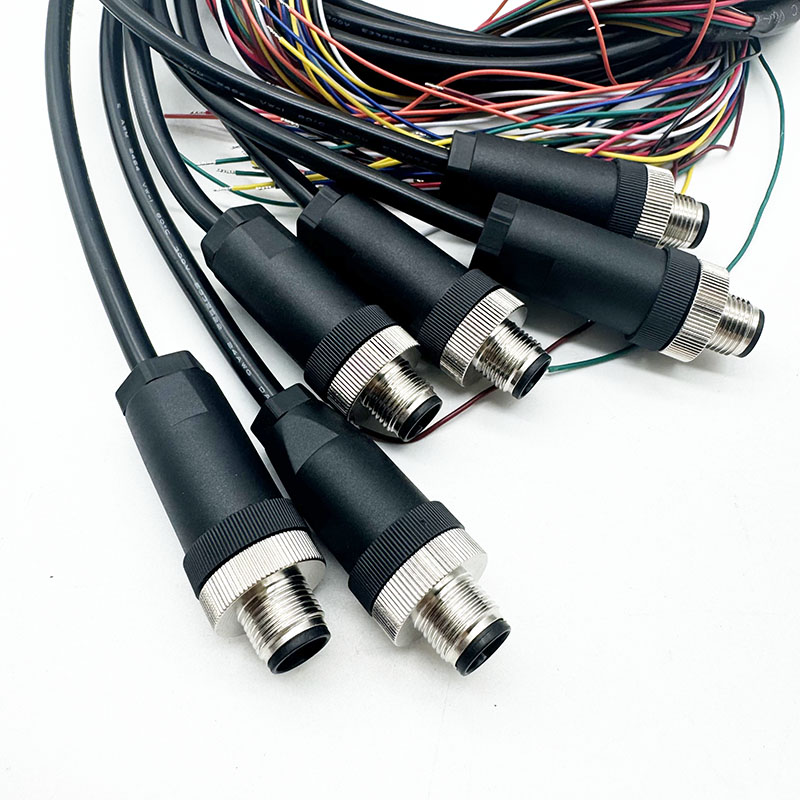
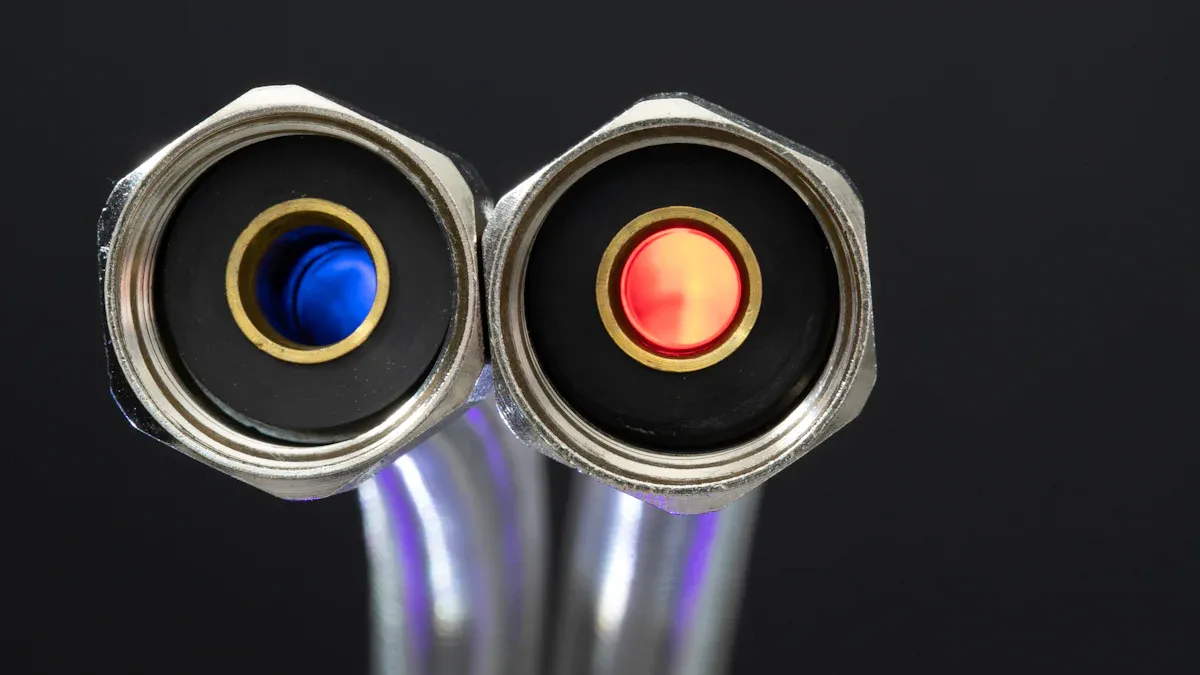
Water can make big problems for electrical systems. More than 30% of equipment breaks when water gets into wiring spots. You can stop this by using a waterproof connector. These connectors keep water and dirt away from wires. This helps stop rust and short circuits. You often see them in irrigation systems, landscape lighting, and cars. Picking the right connector helps your electrical connections last longer. It also helps them work better, even outside in bad weather.
Key Takeaways
Waterproof connectors keep water and dirt away from wires. This stops short circuits and corrosion from happening.
Picking the right waterproof connector with a good IP rating gives better protection from water. IP67 and IP68 ratings show how much water the connector can handle.
Check waterproof connectors often to find problems early. Look for cracks, rust, and make sure connections are tight.
Use strong materials like silicone rubber and dielectric grease to make connectors more waterproof. These materials block moisture and help connections last longer.
Follow the right steps to install connectors so water cannot get in. Clean the area, read the instructions, and check for leaks after you finish.
Water can hurt electrical connections in many ways. If water gets into wires, it can cause big problems. Here are some things that can happen:
Short circuits can start if water lets electricity move between wires. This might make sparks or even fires.
Corrosion can damage metal parts inside the system. Rusty wires might stop working and could cause fires.
Electrocution is more likely if water touches live wires. You could get shocked by wet equipment.
Ground faults happen when electricity goes the wrong way. This can trip breakers and cause shocks.
Fire risk goes up if water ruins insulation. Bare wires can spark and start fires.
Water can also make problems last a long time. Corrosion and oxidation make wires weak. You might see lights flicker or things stop working. Fixing these problems costs money and time. Wet wires can make your equipment stop working for a while.
Benefits of Waterproof Connector
A waterproof connector can keep your electrical systems safe. These connectors have many good points:
They stop water from getting into your wires. This keeps everything dry and safe.
Outdoor lights and devices work better. You spend less time fixing things and more time using them.
Tip: Using waterproof connectors saves you money on repairs and helps your electrical systems work well, even when it is wet or stormy outside.
Waterproof Connector Types
IP Ratings
When picking a waterproof connector, check its IP rating. IP means "Ingress Protection." This rating shows how well it blocks dust and water. You will see IP67 and IP68 on many labels.
IP Rating
Description
IP67
Blocks dust. Can go under water up to 1 meter for 30 minutes.
IP68
Gives more protection. Can go deeper than 1 meter for longer. The maker decides the limits.
IP67 connectors are good for splashes or quick dips.
IP68 connectors are best if the connector stays underwater for a long time.
Note: IP ratings only work for still water. They might not protect against water jets or spraying. Always read the manufacturer's details before using.
Moisture-Resistant Materials
The materials inside waterproof connectors help keep water out. Some materials work better for certain jobs.
Material
Advantages
Silicone Rubber
Flexible and strong. Handles hot and cold weather. Good for outdoors.
Polyvinyl Chloride (PVC)
Reliable and cheap. Works well in easy conditions.
Polyethylene (PE)
Blocks moisture well.
High-Density Polyethylene (HDPE)
Very strong and keeps water out.
Dielectric Grease
Stops water from getting in. Helps protect metal parts.
Silicone Grease
Waterproof and works in tough places.
Silicone grease seals connectors and keeps water out. It also stops rubber parts from sticking together.
Petroleum products like Vaseline help stop rust and keep connections working.
These greases and gels help your connector stay dry and safe.
Application Examples
Waterproof connectors are used where water or dust can cause problems. Each type has special features for its job.
Connector Type
IP Rating
Features
Applications
Deutsch DT and DTM Series
IP67/IP6K9K
Push-to-lock latch. Keeps out moisture and dirt.
Cars, tractors, farm equipment
Amphenol LTW Series
IP68
Many contact choices. Strong clips.
Wet and tough places
Tyco/AMP Superseal 1.5 Series
IP67
Strong seal. Handles shaking and pulling.
Cars, factories
Souriau TRIM TRIO® Connectors
IP68/IP69
Many styles. Easy to find. Built for tough jobs.
Automation, mining, trains
Amphenol VG95234
N/A
Meets military rules. Stops shaking. Locks easily.
Military, transport, factories
LEMO K-Series
IP68
Push-pull latch. Works in hot and cold. Fits many wires in small space.
Medical, control systems, military, airplanes
DryConn connectors use nylon and silicone gaskets. They last a long time outside and keep out water and dust.
Automotive waterproof connectors, like GT and GA01 series, have strong seals and locking parts. They work in cars, trucks, and big machines.
You see these connectors in outdoor lights, gardens, pools, and spas. They also protect machines in factories and help irrigation systems on farms.
Tip: Only connectors made for underwater use with depth ratings can stay underwater all the time. Always check if your connector is certified for your needs.
Getting ready before you install a waterproof connector helps you avoid problems later. Follow these steps to make sure your connection stays safe and dry:
Prepare the Area: Clean your workspace and make sure all parts are dry. Dirt or moisture can weaken the seal and cause trouble.
Read Instructions: Check the manufacturer’s manual for your connector. Each type may have special steps or tools you need.
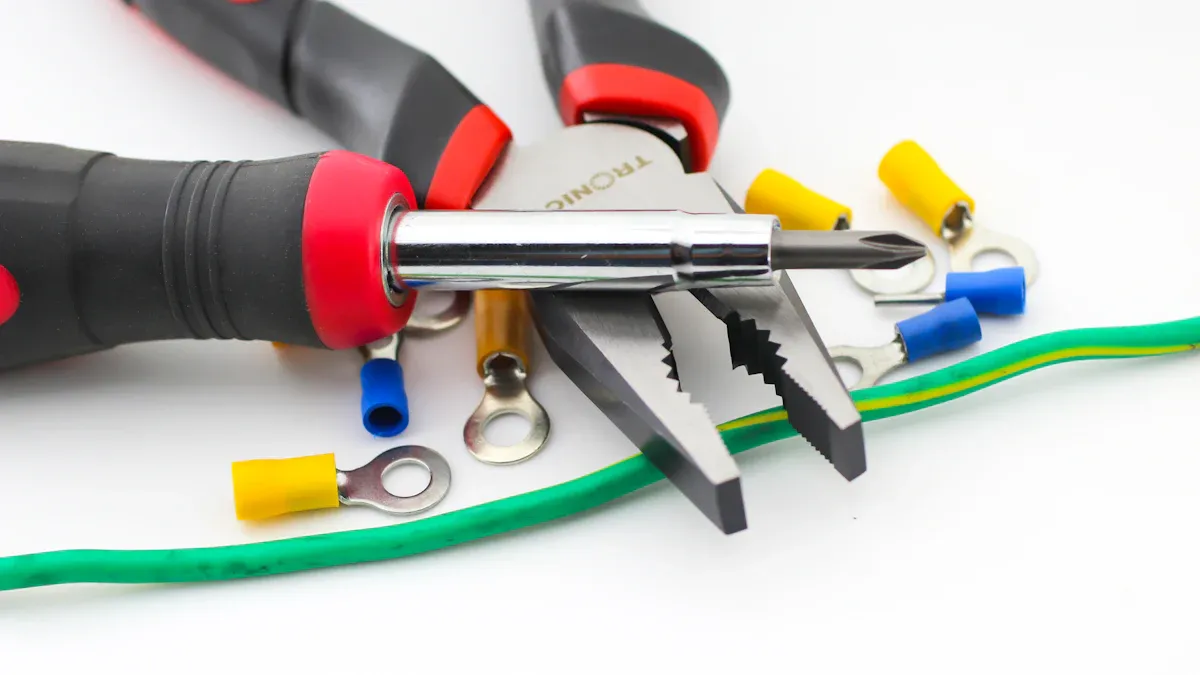
Gather Tools and Materials: You need wire strippers, a heat gun, adhesive-lined heat shrink tube, and watertight direct burial connectors. You may also use liquid electrical tape, self-fusing silicone tape, and silicone sealant for extra protection.
Secure Connections: Push connectors together until you feel or hear a click. This feedback tells you the connection is tight.
Seal Entry Points: If your setup needs it, add sealant where wires enter the connector. This extra layer keeps water out.
Tip: Always start with dry hands and dry wires. Even a little moisture can cause corrosion or short circuits.
Installation Process
You can install a waterproof connector by following a simple step-by-step process. This helps you avoid common mistakes and keeps your system working well.
Clean your workspace. Remove dust and debris so nothing interferes with the seal.
Strip the cable. Use wire strippers to remove the outer sheath and trim wires to the right length.
Connect the wires. Match each wire to the correct terminal using the wiring diagram. Make sure each wire is tight.
Install the sealing ring. Place it in the groove and check that it sits evenly.
Assemble the connector. Align the plug and socket, then push them together. Tighten the locking mechanism just enough to secure the connection.
Test for waterproofing. Spray water on the connector or dip it briefly. Look for leaks before you finish.
Common mistakes to avoid:
Using the wrong tools, like regular pliers instead of a crimping tool, can make weak connections.
Not lining up wires before crimping can cause incomplete connections.
Skipping weatherproofing steps can lead to corrosion and early failure.
Step
What to Do
Why It Matters
Clean Workspace
Remove dirt and moisture
Keeps seal strong
Strip Wires
Use wire strippers
Prevents loose wires
Connect Wires
Follow wiring diagram
Ensures correct flow
Install Seal Ring
Place evenly in groove
Blocks water entry
Assemble Connector
Align and lock parts
Secures connection
Test Waterproofing
Spray or dip connector
Checks for leaks
Note: Some waterproof connectors have built-in seals or gaskets. You do not need extra tape or heat shrink for these. They protect against water by design, but you should still test them after installation.
Ensuring Watertight Seal
You want your waterproof connector to keep water out for a long time. Use these best practices to make sure your seal stays strong:
Always follow the manufacturer’s instructions for your connector.
Strip wires cleanly and keep them dry before connecting.
Push wires fully into the connector for a tight fit.
Never reuse waterproof connectors. Use a new one each time.
After you finish, check that the connector is closed and locked.
Use watertight connectors with built-in gaskets and seals for outdoor jobs.
Add extra sealant if you see any gaps or if the connector joins other parts.
Test the seal with a hose or spray bottle before you bury or cover the joint.
Incorrect torque and seal misalignment cause most connection failures. If you tighten too much or too little, the seal may not work. Always align the connector parts and apply the right amount of force. This keeps the seal from distorting and lets your waterproof connector block moisture.
Alert: Never rush the installation. Take your time to check each step. A careful job means your electrical system stays safe and dry.
Maintenance and Troubleshooting
Regular Inspection
Check your waterproof connector often to keep things safe. Look for any damage or rust. Dust and water can get inside and cause trouble. Follow these steps to check your connectors:
See if there are cracks or broken parts.
Make sure wires are not loose.
Look for rust or green spots. These show corrosion.
Check that the connector is locked and sealed.
Checking often helps you find problems early. Fix any damage right away. This keeps your system working well and stops bigger problems.
Tip: Always check connectors after heavy rain or storms. Water can sneak in even with good seals.
Cleaning and Upkeep
Clean connectors to help them last longer. Dirt can block the seal and cause short circuits. Try these ways to clean:
Use a wire brush to clean connector points.
Spray contact cleaner for a final clean.
Wipe away dust and dirt near the connector.
Put di-electric grease on connections. This keeps water out and stops rust.
For outdoor setups, use drip loops. They keep water from running into connectors.
MG Chemicals 8463-7G Silver Conductive Grease is a good product. It blocks moisture and keeps connections strong.
Cleaning Tool
Use Case
Wire Brush
Removes oxidation
Contact Cleaner
Cleans without harming seals
Di-electric Grease
Seals and prevents corrosion
Common Issues
You may have problems with waterproof connectors in tough places. Here are some common issues and how to spot them:
Damage from heat, cold, or pressure. Look for cracks or bent parts.
Wrong wiring patterns. These can cause shorts or weak connections.
Electrical problems that come and go. Use a multimeter to check for flow.
Rust or oxidation you can see. Check often to find these early.
Dust and dirt inside the connector. This can make weak connections or short circuits.
When you fix problems, remember IP ratings only work when connectors are locked together. Always make sure both ends are tight.
If you find water, take the connector apart, dry it, and clean it. Put on new sealant or get a new connector if needed. Keep connectors secure to stop water from pooling. Make paths for water to drain. Regular care keeps your system safe and working well.
You keep your electrical systems safe with the right waterproof connector. These connectors stop water from getting in. They also fight rust and work in hot or shaky places. Check and clean them often to find problems early. This helps everything work well. Pick connectors made from good materials. Look at the IP rating before you buy. Make sure the connector matches your equipment. UL and ISO standards mean you can trust the product. If you do these things, your connections will stay safe and work well.
FAQ
What does the IP rating mean on a waterproof connector?
The IP rating tells you how well the connector blocks dust and water. Higher numbers mean better protection. For example, IP68 connectors can handle being underwater for a long time.
Can you reuse a waterproof connector?
You should not reuse waterproof connectors. The seals may not work as well after the first use. Always use a new connector for the best protection.
How do you know if your connector is still waterproof?
Check for cracks, loose parts, or rust. Test the seal by spraying water on the connector. If you see leaks or moisture inside, replace the connector.
Do you need extra sealant with waterproof connectors?
Most waterproof connectors have built-in seals. You do not need extra sealant unless the instructions say so. If you see gaps or damage, add sealant for extra safety.