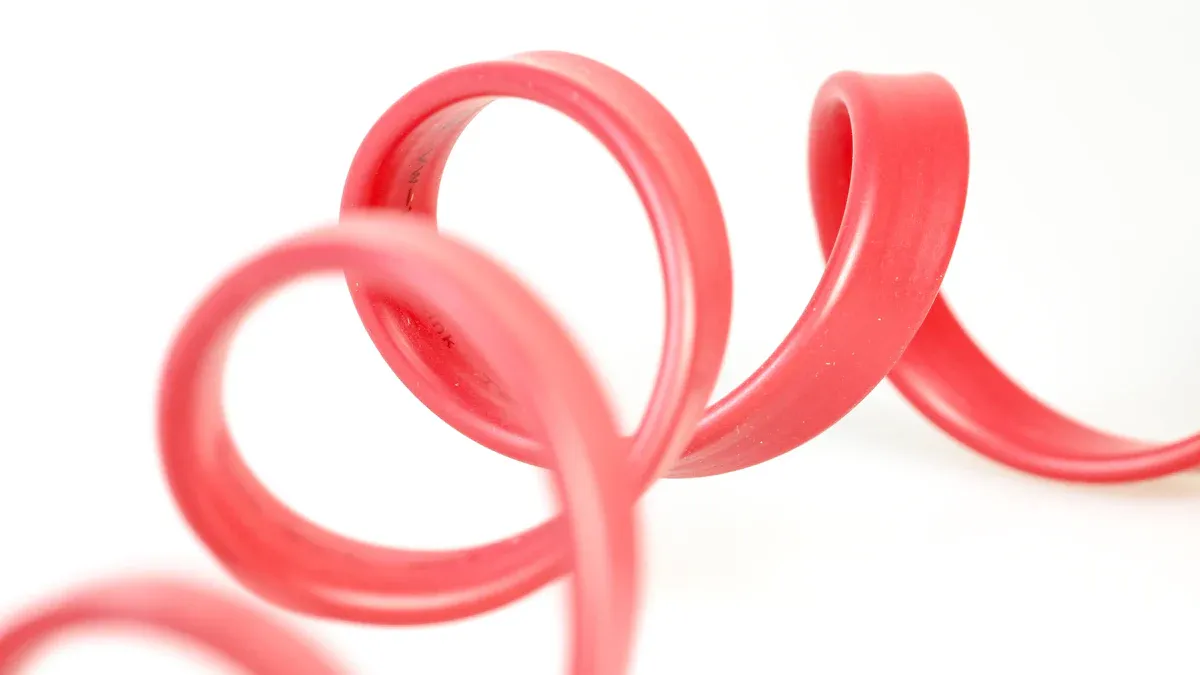
Silicone cable is special because it works in very hot or cold places. It stays bendy even when things get tough. Many jobs need cables that do not break or get unsafe when they get hot. Silicone cable is good for factories, cars, and planes. It can handle temperatures from -60°C to 200°C. Silicone rubber insulation helps cables stay safe for a long time. When you choose a cable, think about how well it handles heat. Also, check if it bends easily and if it is right for your job.
Key Takeaways
Silicone cable works well in very hot or cold places. It stays safe from -60°C to 200°C. This makes it great for places with lots of heat.
Silicone cable is very flexible. You can bend it and it will not break. This is good for small spaces and machines that move.
Silicone cable costs more at first than PVC. But it lasts longer and is very strong. You may save money later because you replace it less.
Think about what you need the cable for before you choose. Silicone is best for medical tools and hot places. PVC is better for regular indoor wires.
Always look for safety labels and rules. This helps make sure the cable is right for your job.
Silicone Cable Overview
Features and Benefits
If you need a cable for hard jobs, you want one you can trust. Silicone cable is different because of what it is made from. Here are some reasons to pick it:
It works well in hot and cold places.
It keeps your equipment safe from short circuits.
You can bend and move it without breaking.
It works in many places because it handles tough conditions.
It can work in temperatures from -60°C to 200°C.
It is soft and does not get old fast, so it lasts longer.
It does not have halogen, so it is safer for people and the earth.
There are also special things you will notice when using silicone cable in hot places:
It can handle heat up to 180°C for a long time and short bursts up to 250°C.
It is very flexible, so you can put it in small spaces.
It keeps your systems safe even when it gets hot.
If you need to bend cables around corners or fit them in tight spots, flexibility is important. You can check this by looking at the minimum bend radius. For silicone cable, this is usually six to twelve times the size of the cable. This means you can pick a cable that fits your needs, even if there is a lot of movement.
Limitations
You should know that silicone cable has some problems. It costs more than PVC cables, and it has gotten even pricier lately. The material is soft, so sharp things can cut or damage it easily. Silicone cable can also build up static electricity, which pulls in dust and dirt. This makes it harder to clean and check for damage. If you need a cable for a rough place, you should think about these things before picking silicone cable.
Common Cable Types
PVC Cable
PVC cable is used in many places like homes and schools. PVC means polyvinyl chloride. People like this cable because it is safe and strong. It does not cost a lot of money. Most power cables in the world are made with PVC. You can use PVC cables for many things. These include wiring in public places, power cords, and switch panels.
Here is a quick look at why PVC cable is helpful:
Feature/Application | Description |
Insulating Compounds | Has strong electrical safety, handles heat, and lasts a long time. |
Sheathing Compounds | Is tough, stands up to weather, and helps stop fires. |
Semi-Conductive Compounds | Blocks interference and helps control voltage. |
Applications | Used in switch panels, power cords, public wiring, and industry. |
PVC cable gives great electrical insulation.
It does not get hurt by chemicals or heat.
It bends easily and is simple to put in.
You save money because it is cheaper than other cables.
PVC cable works best between -15°C and 80°C. You should not use it where it gets very hot. It can break down if it gets too warm.
Rubber Cable
Rubber cable is known for being flexible and strong. You can bend it a lot and it will not break. This makes it good for machines that move often, like in factories. Rubber cables are softer and bend more than plastic cables. They do not break easily and can handle stress.
You can use rubber cable where cables need to move or bend. It also works in cold or hot places. Rubber cables last a long time. They are heavier and cost more than PVC cables. You pay more at first, but they last longer.
Teflon Cable
Teflon cable is also called PTFE cable. It is special because it works in very hot places and with strong chemicals. You can use it in labs, airplanes, and places with acids or oils. Teflon cables do not catch fire and do not get dirty easily.
Here is a table to show what makes Teflon cable special:
Property | Description |
High-Temperature Resistance | Works up to 260°C (500°F) and stays safe in extreme heat. |
Superb Chemical Resistance | Handles almost all acids, bases, oils, and solvents. |
Excellent Electrical Properties | Great for high-frequency signals and strong insulation. |
Low Friction & Non-Stick Surface | Easy to pull through tight spaces and stays clean. |
Flame Resistance | Does not catch fire easily and meets safety rules. |
Teflon cable is best for fighting harsh chemicals. It is better than silicone cable for tough chemicals. You should pick Teflon cable for the hardest jobs.
Silicone Cable vs. Other Cables
Material Comparison
There are many cable types. Each one uses a different material. The material changes how the cable works. It also decides where you can use it. Here is a table that shows the main differences:
Material | Properties | Applications |
PVC | Durable, affordable, flexible, resists oils, acids, and alkalis | Power and signal wiring |
Silicone Rubber | Very flexible, resists oils, acids, abrasion, handles high heat | Power and signal wiring in tough places |
EPDM | Highly flexible, resists ozone, heat, moisture, UV | Electrical insulation |
Teflon | Handles very high heat, lightweight, flexible | Extreme temperature applications |
The wire inside the cable matters too. Bare copper gives strong signals and bends easily. Tin-plated copper works well in wet places. Nickel-plated copper does not rust and handles high heat. Some cables use steel for strength. Steel needs a coating to carry electricity.
Tip: Always look at the cable’s material before buying. The right material keeps your system safe and working longer.
Performance Comparison
You want a cable that bends and lasts. It should stay safe in tough spots. Here is how the main cable types compare:
Cable Type | Flexibility | Heat Resistance | Tensile Strength |
Silicone Cable | High | -90°C to +300°C | Superior |
PVC Cable | Low | -40°C to +105°C | Moderate |
Rubber Cable | Moderate | Varies | Moderate |
Silicone Cable bends and twists without breaking. It works well where machines move a lot.
PVC cable gets stiff as time goes by. If the temperature changes, it can crack and break.
Rubber cable bends better than PVC. It does not bend as well as silicone.
If you need a cable for high heat, choose Silicone Cable. It works from -90°C to +300°C. PVC cable only works up to 105°C. Rubber cable’s heat resistance depends on the type. It is not as high as silicone.
Silicone Cable gives strong electrical insulation. It protects even in hot or cold places. It keeps its strength and does not break down. PVC cable works for normal jobs. It can lose strength in heat or cold. Silicone Cable lasts longer outside and in wet or sunny places.
Application Suitability
Pick your cable based on where you will use it. Here are some common uses:
High-temperature equipment
Medical devices and healthcare tools
Aviation, automotive, and robotics
Electronics factories
Construction and building wiring
Aerospace systems
Silicone Cable is great for medical and food equipment. It is non-toxic and safe for people. You can use it in places that touch food or the human body. It works well in machines that get very hot or cold.
PVC cable fits best in homes, schools, and offices. It is good for wiring that does not get too hot. Rubber cable works well in factories where machines move a lot. Teflon cable is best for places with strong chemicals or very high heat.
Note: If you need a cable for medical or food use, pick Silicone Cable. It is safe, clean, and lasts a long time.
Cost Analysis
You may wonder about the price. Here is a table to help you compare:
Cable Type | Price Range (per meter) |
Rubber Cable | $0.15 - $1.20 |
Silicone Cable | $0.15 - $0.50 |
PVC Cable | $0.24 - $5.00 |
Teflon Cable | Not available |
Silicone Cable may cost more at first than PVC. It saves you money over time. It lasts longer and needs less fixing. PVC cables can break down and need replacing. This adds to your costs. Rubber cables cost more than PVC, but they last longer. Teflon cables are often the most expensive. They work in the hardest jobs.
Alert: Think about the total cost, not just the price you pay at the start. Silicone Cable can save you money because it lasts longer and needs less care.
Choosing the Right Cable
Decision Factors
When you choose a cable, you need to think about a few things. Each thing helps you pick the best cable for your project. You want a cable that works well and lasts a long time.
You also need to think about safety rules.
For important jobs, always use cables that have been tested. Make sure they have the right safety labels and certificates. Check the paperwork from the company to see if it meets standards like EN, VDE, or UL. Look for test results about how the cable handles heat, electricity, and smoke. This helps you buy the right cable and keeps your project safe.
Silicone Cable is special because it can take a lot of heat. It stays bendy even when other cables might break. If you need a cable for hard work, see how well it handles heat, cold, and chemicals. Price and if you can get the cable are important too, especially for big jobs.
Best Use Cases
You should pick the cable that fits your job. Here are some common jobs and the best cable for each one:
Cable Type | Best Use Case |
Silicone Cable | High-temperature machines, medical devices, food equipment, robotics |
PVC Cable | Home wiring, schools, offices, switch panels |
Rubber Cable | Factory machines, moving equipment, outdoor tools |
Teflon Cable | Labs, airplanes, chemical plants, places with acids or oils |
THHN | Conduit wiring, heat-prone areas |
UF-B | Direct burial, wet locations |
MC | Outdoor use, places needing strong protection |
If you work outside or in bad weather, you may need THHN, UF-B, or MC cables. Polyethylene cables are good for cold places. XLPE cables work well with very hot or chemical-filled spots.
PVC cables do not get hurt by sun or water, but they get stiff when it is cold.
Polyethylene cables stay soft in cold and wet places.
XLPE cables are good for tough jobs with chemicals or heat.
Pick Silicone Cable if you need it for hot places or if you need it to bend a lot. Use PVC for easy indoor wiring. Rubber cables are best for machines that move. Teflon cables are great for places with strong chemicals.
Tip: Always look at where you will use the cable and what it will face. Picking the right cable keeps your system safe and saves you money.
There are lots of cables you can pick from. The table below helps you see how Silicone Cable is different:
Feature | PVC Cable | Silicone Cable |
Flexibility | Low | Very High |
Heat Resistance | Up to 90°C | Up to 200°C |
Durability | Can crack | Lasts longer |
Cost | Lower | Higher |
Silicone Cable is best for places that get very hot. It is also good if you need a cable that bends a lot. If you just need basic wiring, PVC Cable is a good choice. Always pick the cable that fits your job. Think about how much it costs, if it is safe, and how long it will last.
FAQ
What makes silicone cable safer than other cables?
Silicone cable does not have halogen. It does not release toxic smoke if it burns. You can use it in places where safety matters most, like hospitals or food factories.
Can you use silicone cable outdoors?
Yes, you can use silicone cable outside. It resists sunlight, rain, and cold. You do not need to worry about it cracking or breaking in bad weather.
Why does silicone cable cost more?
You pay more for silicone cable because it lasts longer and handles heat better. It saves you money over time since you do not need to replace it often.
Where should you not use silicone cable?
Avoid using silicone cable where sharp objects can cut it. It is soft and can get damaged easily. For rough or heavy-duty jobs, you may want a tougher cable.