A Jamma Wiring Harness plays a critical role in connecting various components of an arcade game system, such as the game board (PCB), audio and video output systems, and control inputs. This standardized wiring solution has been the backbone of arcade gaming for decades, making it easier to connect and maintain arcade machines.
In this article, we will explore what a Jamma wiring harness is, how it works, its components, applications, benefits, and how to choose the right one for your arcade system. Whether you're an arcade owner, a technician, or someone interested in the gaming industry, this guide will give you all the essential information about Jamma Wiring Harnesses.
1. Understanding the Jamma Standard
1.1 What is the JAMMA Standard?
The JAMMA Standard stands for Japanese Amusement Machine Manufacturers Association. It is a standard connector used in arcade machines to simplify the wiring process between the game board (PCB) and various game components such as controls, audio, and video. Introduced in the 1980s, the JAMMA standard revolutionized arcade gaming by creating a universal wiring system that allowed arcade machines from different manufacturers to use the same wiring harnesses.
Before the introduction of JAMMA, arcade machines had custom wiring setups for each game, making repairs and upgrades a tedious and costly process. With the JAMMA wiring standard, it became much easier to swap out or repair arcade game boards without rewiring the entire system. The Jamma wiring harness uses a specific set of connectors that standardize the electrical connections between the various arcade machine components.
1.2 How Does the Jamma Wiring Harness Work?
The Jamma wiring harness connects the game PCB (printed circuit board) to the rest of the arcade system. The Jamma harness ensures that power, video signals, sound, and control signals are routed correctly and safely to the necessary components.
Here’s how it works:
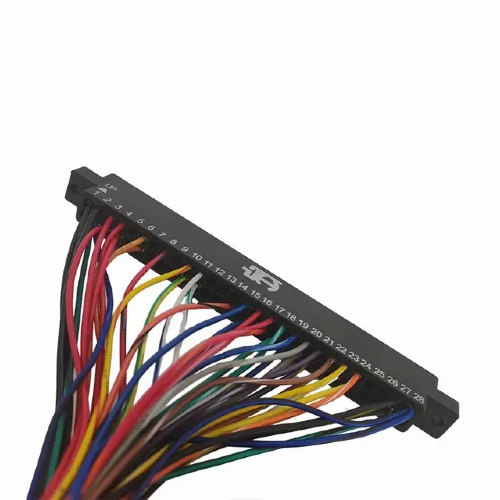
The game PCB (which houses the game logic) is connected to the harness via a 28-pin or 36-pin connector.
The wires run from the PCB to the arcade monitor, speaker system, and control panel (buttons, joysticks, etc.).
The harness simplifies the overall system by providing a single plug-and-play solution for wiring the game to the arcade system.
Table 1: Key Features of the JAMMA Standard
Feature | Description |
Connector Types | Typically 28-pin or 36-pin connectors |
Compatibility | Compatible with most arcade game systems and equipment |
Power Handling | Handles power, video, audio, and control signals |
Standardization | Standardized wiring system for simplified repairs and upgrades |
2. Components of a Jamma Wiring Harness
The Jamma wiring harness is made up of several key components that work together to ensure the smooth operation of an arcade machine. Each of these components is carefully chosen for its functionality, durability, and compatibility with the rest of the system.
2.1 Wire Gauge and Material
The choice of wire gauge and material is essential for the functionality of the Jamma wiring harness. Most harnesses use wires of different gauges based on the electrical requirements of the system. For instance:
22 AWG or 24 AWG wires are typically used for power and video connections.
28 AWG or 30 AWG wires are used for control signals and audio.
The materials used for the wires typically include copper (for excellent conductivity) and PVC or Teflon insulation (for protection and durability). The wires are designed to withstand the mechanical stresses of arcade environments, such as frequent plugging and unplugging, while also ensuring reliable electrical performance.
2.2 Connectors
The connectors are the most important part of a Jamma wiring harness, as they ensure the game’s PCB is securely connected to the other components of the arcade system. There are two primary types of connectors used in Jamma wiring harnesses:
28-pin connectors: These are the most common and are typically used for standard single-board arcade games.
36-pin connectors: These connectors are used for more complex systems that require additional connections for multi-game functionality, additional control inputs, or enhanced video/audio signals.
These connectors are designed to provide secure, stable connections that can handle high current and signal flows, while also being easy to plug and unplug for maintenance.
Table 2: Common Connector Types in Jamma Wiring Harnesses
Connector Type | Pin Count | Application |
28-pin connector | 28 | Standard arcade game systems |
36-pin connector | 36 | Multi-game setups, advanced systems |
2.3 Other Components
In addition to wires and connectors, Jamma wiring harnesses also include several other components that are integral to the system’s functionality:
Power cables: Provide the necessary power to the arcade machine, ensuring the game board and other components work correctly.
Audio cables: Route sound signals from the PCB to the arcade speakers, providing audio feedback for the game.
Control cables: Connect arcade buttons, joysticks, and other input devices to the PCB, allowing players to interact with the game.
Each of these components is chosen for its compatibility with the Jamma standard, ensuring seamless operation across different games and systems.
3. Applications of Jamma Wiring Harness
The Jamma wiring harness is used in a wide range of applications within the arcade and gaming industry. Below, we explore the primary uses of the Jamma wiring harness and how it enhances the functionality of arcade machines.
3.1 Arcade Machines
One of the most common applications of Jamma wiring harnesses is in arcade machines. The harness connects the game PCB to the monitor, audio system, and input controls, allowing the arcade machine to function properly. The standardization of the Jamma harness makes it easier for arcade operators and technicians to maintain and upgrade machines, as the wiring system is universal across different arcade games.
3.2 Multigame Systems
In multigame systems, where multiple games can be loaded onto a single arcade machine, the Jamma wiring harness allows the system to connect different PCBs without the need for multiple wiring setups. The Jamma harness enables easy switching between games by maintaining a consistent wiring layout across all game boards.
3.3 LED Lighting and Controls
The Jamma wiring harness is also used in arcade machines equipped with LED lighting systems. The harness routes power and control signals to the lighting system, enhancing the visual appeal of the game. Additionally, the Jamma harness can support LED buttons, adding more interactive features to the arcade machine.
4. Benefits of Using a Jamma Wiring Harness
There are several advantages to using Jamma wiring harnesses in arcade gaming systems. The standardization, cost-effectiveness, and ease of maintenance make it the go-to solution for arcade owners and technicians.
4.1 Standardization
One of the main benefits of Jamma wiring harnesses is the standardization of the wiring system. By using the same wiring setup across multiple arcade machines, technicians can easily repair and upgrade machines without needing to design a new wiring harness each time. This reduces downtime and improves the overall efficiency of arcade operations.
4.2 Cost-Effectiveness
Using a Jamma wiring harness can save costs for arcade owners and repair shops. The availability of standard connectors and pre-assembled harnesses reduces the need for custom wiring and minimizes the time spent on installation and repairs.
4.3 Ease of Use and Compatibility
The Jamma wiring harness simplifies the installation process by providing a plug-and-play solution. It’s compatible with a wide range of arcade games, making it easier for arcade owners to swap out game boards or perform upgrades. This also makes maintenance more straightforward, as technicians don’t need to spend time troubleshooting complicated wiring setups.
5. How to Choose the Right Jamma Wiring Harness
When selecting a Jamma wiring harness, it’s important to consider a few key factors to ensure you get the right harness for your system. Here’s what to look for:
5.1 Custom vs. Standard Jamma Wiring Harness
You can choose between a custom or standard Jamma wiring harness:
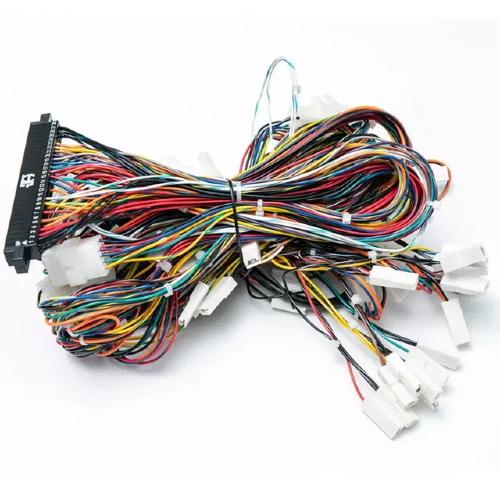
Standard: Pre-made harnesses are widely available and are suitable for most arcade systems. They are easy to install and compatible with many arcade game boards.
Custom: If you have specific requirements for wire length, color, or connector types, a custom harness may be necessary. Custom harnesses are tailored to fit unique systems, such as multi-game setups or machines with special power requirements.
5.2 Quality and Durability
When selecting a Jamma wiring harness, always ensure that the materials used are of high quality. The wiring should be durable, with high-quality insulation to protect against wear and tear. The connectors should be sturdy and able to withstand frequent use, as arcade machines experience a lot of plugging and unplugging.
Table 3: Factors to Consider When Choosing a Jamma Wiring Harness
Factor | Considerations |
Compatibility | Ensure the harness fits your arcade machine’s requirements (28-pin or 36-pin) |
Customization | Choose custom or standard based on game setup needs |
Quality of Materials | Ensure the wiring is durable and the connectors are high quality |
6. Conclusion
The Jamma wiring harness has long been a cornerstone in the arcade industry, providing a reliable, standardized, and cost-effective solution for arcade machines. Its simplicity and ease of use make it the go-to choice for arcade owners and repair technicians, whether for maintaining, repairing, or upgrading machines. The Jamma wiring harness ensures that arcade systems operate smoothly, offering consistent performance over time.
By understanding the components, advantages, and various applications of Jamma wiring harnesses, you can make well-informed decisions when selecting the right solution for your arcade. Working with a trusted manufacturer ensures that your harness is built to last and delivers reliable service for years to come.
For those seeking top-quality Jamma wiring harnesses tailored to meet their specific needs, Dongguan Suyi Electronics Co., Ltd. offers expert solutions designed to fit a variety of arcade systems. With years of industry experience, Suyi provides durable, high-performance wiring harnesses that guarantee optimal system functionality. Contact Dongguan Suyi Electronics today to explore how their expertise can support your arcade machine needs and help you maintain seamless, long-lasting operations.
7. FAQ
1. What is a Jamma Wiring Harness used for?
A Jamma wiring harness is used to connect the game PCB to various components of an arcade machine, including the monitor, audio system, and control inputs. It simplifies the wiring system, making installation, maintenance, and upgrades much easier.
2. What are the different types of connectors used in Jamma wiring harnesses?
The most common connectors used in Jamma wiring harnesses are 28-pin and 36-pin connectors, which are used to connect the arcade game PCB to the rest of the system.
3. Can a Jamma Wiring Harness be used for multi-game systems?
Yes, Jamma wiring harnesses are compatible with multi-game setups, allowing multiple arcade games to be played on a single machine without the need for rewiring.
4. What are the benefits of using a Jamma Wiring Harness?
The Jamma wiring harness provides standardization, cost-effectiveness, and ease of maintenance. It makes repairs, upgrades, and machine setup faster and more efficient.
5. Can I customize a Jamma Wiring Harness for my arcade system?
Yes, custom Jamma wiring harnesses can be made to fit specific requirements, including wire length, connector types, and color choices to suit your unique arcade setup.


