Introduction
Harsh environments expose weak electrical connections very quickly. Rain, dust, salt, heat, and vibration can all damage a standard wire system over time. Waterproof Connecting Wire helps reduce corrosion, short circuits, and downtime, while supporting more stable performance in demanding applications.
In this article, you will learn the top benefits, key uses, and practical value of choosing it for harsh environment electrical systems.
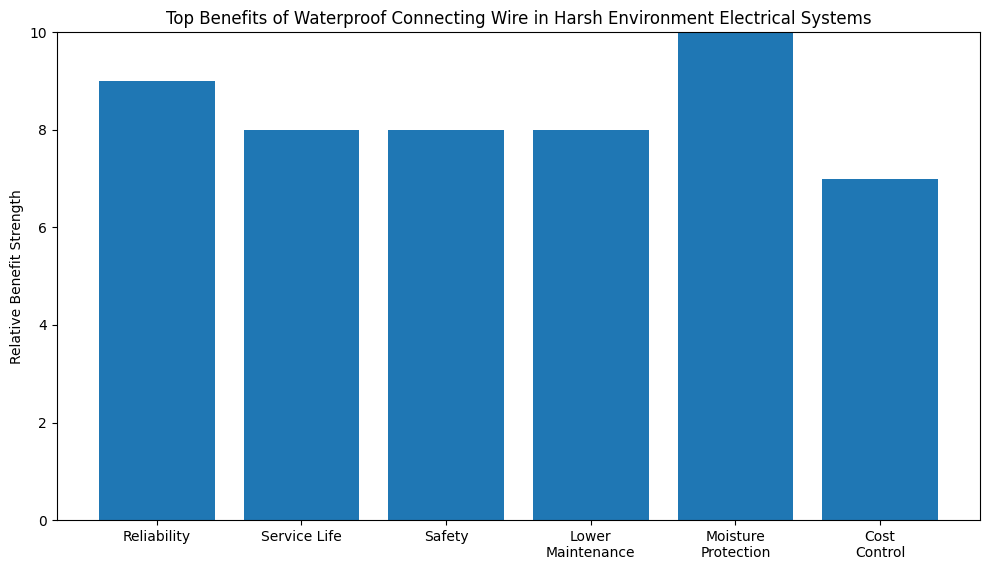
Top Benefits of Waterproof Connecting Wire in Harsh Environment Electrical Systems
Better Protection Against Water, Humidity, and Dust
The first benefit is direct protection from environmental ingress. In wet or dirty locations, moisture and dust often enter weak connection points before the rest of the system shows damage. Once that happens, contacts can corrode, resistance can rise, and the connection may fail without warning. Waterproof Connecting Wire helps stop that process at the source by using sealing parts that block water and debris.
This protection matters in more than heavy rain. Many failures happen in humid plants, washdown zones, irrigation systems, and coastal sites where moisture stays in the air for long periods. A sealed connection helps keep the internal contact area cleaner and drier. That leads to more stable electrical performance and fewer unexpected faults over time.
Higher Electrical Reliability in Critical Systems
Electrical reliability is the next major benefit. A harsh environment does not only damage parts physically. It also weakens current flow and signal stability. In lighting systems, industrial equipment, and marine devices, even a small connection problem can cause flicker, signal loss, sensor error, or full shutdown.
Waterproof Connecting Wire improves reliability because it protects the contact interface from oxidation and contamination. It helps the system deliver the same performance over longer service periods. The reference material also stresses that waterproof connectors support uninterrupted connectivity in outdoor, marine, automotive, and industrial settings.
Improved Safety for Equipment and Personnel
Safety improves when connection failure risk drops. Water and electricity are always a dangerous mix. When liquid reaches exposed or weak electrical joints, it can trigger short circuits, overheating, and equipment damage. In some cases, it can also raise the risk of fire or electric shock.
Using Waterproof Connecting Wire helps reduce those hazards. A better-sealed system keeps faults from spreading through the wiring path. It also supports compliance in applications where moisture resistance is expected by site rules or industry practice. For B2B buyers, this benefit is not only technical. It also protects uptime, personnel safety, and maintenance planning.
Longer Service Life in Tough Conditions
Harsh environments shorten product life fast. Sunlight, salt, oil, chemicals, and vibration all add stress to the wire and connector body. Standard products may crack, loosen, or corrode early. In contrast, Waterproof Connecting Wire is built to handle these conditions for longer periods.
Its longer life comes from both material choice and sealing design. Nylon, thermoplastics, and resistant jackets help protect the outer structure. Internal seals help protect the contact area. Together, they reduce early wear and delay replacement. This is one reason many buyers see strong value even when the initial cost is higher.
Lower Maintenance and Replacement Frequency
Maintenance teams care about failure patterns, not just product labels. A connection that needs frequent inspection, resealing, or replacement adds labor cost and increases downtime risk. One strong advantage of Waterproof Connecting Wire is that it reduces repeated repair work in exposed systems.
When moisture stays out, corrosion stays lower. When locking stays secure, accidental disconnects happen less often. That means fewer emergency callouts and fewer unplanned service interruptions. In large facilities, this can create real savings over the product lifecycle.
Stronger Resistance to Vibration, Temperature, and Mechanical Stress
Harsh environments are not only wet. Many systems also face shock, movement, cable pull, and temperature swings. Outdoor equipment heats up in the sun, cools at night, and vibrates during operation. Machinery cables bend and move every day. Standard connectors often loosen under this kind of stress.
Waterproof Connecting Wire usually includes stronger locking systems, strain relief, and more durable housings. These features help the connection stay sealed and stable even under movement. This makes it especially useful in transport systems, factory machinery, and field equipment.
Why Waterproof Connecting Wire Outperforms Standard Wire in Harsh Environments
Standard Connections vs. Waterproof Connecting Wire
A standard connection may work well in a dry indoor cabinet. But once the environment becomes wet, dusty, or corrosive, that same design loses reliability. It has fewer barriers against water, less protection against oxidation, and often weaker retention under vibration. In contrast, Waterproof Connecting Wire is designed for exposure, not just normal operation.
This difference becomes more visible over time. Standard wire systems may appear cheaper at first, yet they often create more service issues later. Waterproof systems reduce those risks by protecting the connection as part of the design, not as an afterthought.
Why “Water-Resistant” Is Not Always Enough
Many buyers see “water-resistant” and assume it is close enough. In practice, it may only mean light splash protection. Harsh environments often need more than that. Continuous humidity, pressurized cleaning, direct spray, or partial submersion require better sealing performance and better material stability.
That is why Waterproof Connecting Wire should be selected by real exposure level, not broad marketing terms. Water resistance may suit mild conditions. Waterproof designs are the better choice where failure costs are high and exposure is constant.
Full-System Protection, Not Just Connector Protection
A good connector alone does not guarantee a good system. The full assembly must work together. That includes the cable jacket, contact plating, seal, locking method, and installation quality. If one part is weak, the entire connection becomes vulnerable.
The table below shows the difference clearly:
Factor | Standard Wire Connection | Waterproof Connecting Wire |
Moisture protection | Low to moderate | High when properly sealed |
Corrosion resistance | Limited | Stronger in exposed settings |
Vibration stability | Often basic | Usually improved |
Service life | Shorter in harsh use | Longer in harsh use |
Maintenance need | Higher | Lower over time |
Key Performance Advantages of Waterproof Connecting Wire by Application
Waterproof Connecting Wire for Outdoor Lighting and Infrastructure
Outdoor lighting systems face rain, dust, UV exposure, and temperature change every day. Streetlights, pathway lights, signage, and security systems all depend on stable low-voltage or power connections. Waterproof Connecting Wire helps keep these systems operating by protecting critical joints from weather exposure.
This benefit is especially important in public or commercial spaces where outages affect safety and appearance. A sealed connection helps reduce maintenance visits and keeps lighting systems more dependable year-round.
Waterproof Connecting Wire for Marine and Coastal Systems
Marine and coastal systems face some of the most aggressive conditions. Saltwater, moisture, and wind-driven spray attack exposed metal and cable surfaces constantly. In these settings, corrosion is a major cause of failure. Waterproof Connecting Wire helps reduce that risk through better sealing and more durable materials.
The source material specifically notes that waterproof connectors are essential in marine applications because they protect navigation, lighting, and communication systems from moisture and corrosion. This makes them a practical choice for boats, docks, coastal devices, and offshore support equipment.
Waterproof Connecting Wire for Industrial Machinery
Industrial machinery often works in harsh internal environments. High humidity, oil mist, washdown cleaning, and constant vibration all shorten connection life. In these systems, Waterproof Connecting Wire helps maintain uptime by lowering the risk of unstable contacts and seal failure.
This is valuable in food processing, packaging, automation, heavy equipment, and plant utilities. When machines run for long hours, even a small connection issue can lead to costly downtime. Better wire protection helps prevent that chain reaction.
Waterproof Connecting Wire for Renewable Energy and Field Equipment
Renewable systems and remote field devices depend on reliable outdoor operation. Solar systems, wind equipment, agricultural controls, and remote monitoring units all face long-term exposure to weather and dust. Waterproof Connecting Wire helps these systems maintain power and communication in locations where service access may be limited.
That benefit becomes stronger when replacement visits are costly. In remote or distributed installations, longer service life and fewer connection failures create clear operational value.
Design Features That Deliver the Benefits of Waterproof Connecting Wire
Sealing Components That Keep Moisture Out
Sealing parts are the foundation of performance. Gaskets, O-rings, grommets, and molded interfaces help create a barrier against water and dust. These small parts do major work. If they fit well and stay intact, the connection remains protected much longer.
Buyers should also remember that sealing depends on proper cable fit. A good connector can still fail if the cable diameter does not match the sealing range. This is why the best Waterproof Connecting Wire combines design quality and correct application fit.
Durable Materials That Resist Harsh Conditions
Material choice changes service life. Nylon offers strong mechanical performance. PVC can provide practical protection in many installations. Other thermoplastics may improve UV, chemical, or impact resistance. The right material depends on where the system works and what it faces daily.
The source content also highlights material durability as a major reason waterproof connectors last longer in demanding applications. For buyers, this means material review should be part of every selection process.
Locking Mechanisms That Protect Connection Stability
A good seal is not enough if the connection loosens. Threaded locks, bayonet systems, and quick-lock mechanisms help keep parts mated during vibration and movement. These designs reduce accidental disconnects and help maintain sealing pressure.
For harsh environment systems, locking style affects both uptime and service ease. A secure connection reduces faults. A clear mating design also helps technicians install and inspect the system correctly.
Shielding and Strain Relief for System Stability
Shielding supports data and signal stability in noisy environments. Strain relief protects the cable from pull and bend stress near the termination point. Together, these features help the wire system last longer and perform more consistently.
This is important in automation, sensor networks, and mobile equipment. The best Waterproof Connecting Wire does not only block water. It also protects the connection from mechanical and electrical stress that builds up over time.
Cost and Operational Benefits of Waterproof Connecting Wire
Reduced Downtime in Harsh Environment Electrical Systems
Downtime is one of the biggest hidden costs in exposed electrical systems. A failed connection can stop lighting, controls, pumps, sensors, or communication links. In many operations, the service cost is far greater than the product cost. Waterproof Connecting Wire helps lower that risk by improving connection reliability from the start.
This matters even more in systems that are hard to reach or expensive to stop. A more durable connection saves time for both operators and maintenance teams.
Lower Total Cost of Ownership
Higher upfront cost can make some buyers hesitate. But total cost of ownership tells the fuller story. If a waterproof solution lasts longer, needs less service, and reduces failure events, it often costs less across the full lifecycle.
The source material makes this same point by linking waterproof connectors to lower maintenance needs and long-term value. For B2B users, that means the better product is often the one that avoids future disruption.
Better Maintenance Efficiency
Maintenance efficiency improves when inspection is simpler and failure rates are lower. Sealed systems usually need less reactive repair. They also help maintenance teams focus on planned service instead of emergency troubleshooting.
A practical summary is shown below:
Cost area | Standard solution | Waterproof solution |
Emergency repair risk | Higher | Lower |
Replacement cycle | Shorter | Longer |
Downtime exposure | Greater | Reduced |
Labor demand | More frequent | Less frequent |
How to Maximize the Benefits of Waterproof Connecting Wire
Match the IP Rating to the Real Environment
IP67, IP68, and IP69K each fit different conditions. Light splash, temporary immersion, and aggressive washdown are not the same. Buyers should match the rating to real use, not guess from the label.
If the exposure level is underestimated, the system may fail early. If it is overestimated without reason, cost may rise without added value. Smart selection starts from the actual environment.
Choose the Right Materials for Heat, Chemicals, and UV
A sealed connection still needs the right body and jacket materials. Outdoor systems may need UV resistance. Industrial sites may need oil or chemical resistance. Hot equipment may need stronger thermal performance.
This is why Waterproof Connecting Wire should always be selected as a system for the environment, not as a generic product category.
Install Waterproof Connecting Wire Correctly
Even the best design can fail after poor installation. Seals must be seated correctly. Cable diameter must match the connector range. Locking parts must be fully engaged. If the fit is poor, water can still enter.
Good installation practice protects the product’s real value. It also protects the warranty, service life, and safety of the system.
Maintain and Inspect for Long-Term Performance
Long-term performance still needs regular inspection. Teams should check for cracked jackets, loose locking, worn seals, corrosion, and cable strain. These signs often appear before full failure.
A simple inspection routine helps keep Waterproof Connecting Wire performing as intended. It also supports planned replacement before downtime occurs.
Common Mistakes That Reduce Waterproof Connecting Wire Performance
Choosing by Label Instead of Application
Many buyers choose a product because it says “waterproof.” That alone is not enough. The real question is whether it fits the exact site conditions, electrical duty, and movement level.
Application-based selection is always stronger than label-based selection. It reduces mismatch and improves long-term value.
Ignoring Mated vs. Unmated Protection
Some products only deliver full protection when completely mated. Once disconnected, that protection may be reduced unless a cap or extra seal is used. This is an easy detail to miss.
If maintenance involves frequent disconnection, buyers should confirm how the Waterproof Connecting Wire performs in both conditions.
Overlooking Cable Fit and Mechanical Stress
Poor cable fit weakens the seal. Repeated flexing weakens the connection. Vibration loosens retention. These problems may not appear on day one, but they grow over time.
That is why mechanical stress should be reviewed alongside ingress protection. A harsh environment is always more than water alone.
Focusing Only on Purchase Price
Low upfront price can be attractive, but it often hides later cost. Replacement labor, downtime, and repeated failure can quickly erase any initial savings. For exposed systems, the better choice is usually the product that performs longer and fails less often.
Conclusion
Waterproof Connecting Wire delivers real value through stronger sealing, better reliability, longer service life, and lower maintenance risk. In harsh environment electrical systems, it helps protect connections from moisture, dust, vibration, and corrosion, so the full system can run more safely and consistently.
It also supports better uptime, fewer repairs, and stronger long-term cost control in outdoor, marine, industrial, and energy applications. Dongguan Suyi Electronics Co., Ltd. provides dependable wiring solutions with durable construction, stable performance, and flexible service support, helping customers achieve greater efficiency and lasting system value.
FAQ
Q: What is Waterproof Connecting Wire?
A: Waterproof Connecting Wire is sealed wiring for wet, dusty, or high-vibration electrical systems.
Q: Why use Waterproof Connecting Wire in harsh environments?
A: Waterproof Connecting Wire helps reduce corrosion, shorts, and downtime.
Q: How does Waterproof Connecting Wire improve reliability?
A: Waterproof Connecting Wire keeps moisture out and protects stable power or signal transfer.
Q: Is Waterproof Connecting Wire worth the cost?
A: Yes. It often lowers repair, replacement, and maintenance costs over time.
Q: Waterproof Connecting Wire or standard wire?
A: Waterproof Connecting Wire performs better in outdoor, marine, and industrial conditions.


